
close
Choose Your Site
Global
Social Media
Views: 0 Author: Site Editor Publish Time: 2026-05-27 Origin: Site


Aluminum Bicycle Frame aluminum bicycle frames are popular for their lightweight and strength. But what makes them ideal for modern bikes? Lightweight design reduces fatigue and boosts speed. Welding aluminum requires precision to maintain durability. In this post, you’ll learn about aluminum frame benefits, alloys, and welding tips for top performance.
Aluminum bicycle frames stand out for their impressive strength-to-weight ratio. Aluminum alloys like 6061 and 7005 offer excellent structural stiffness while keeping the frame light. This means riders get a bike that's easier to handle and faster to accelerate without sacrificing durability. Lightweight frames reduce rider fatigue, especially on long rides or climbs, making aluminum a top choice for performance and recreational bikes alike.
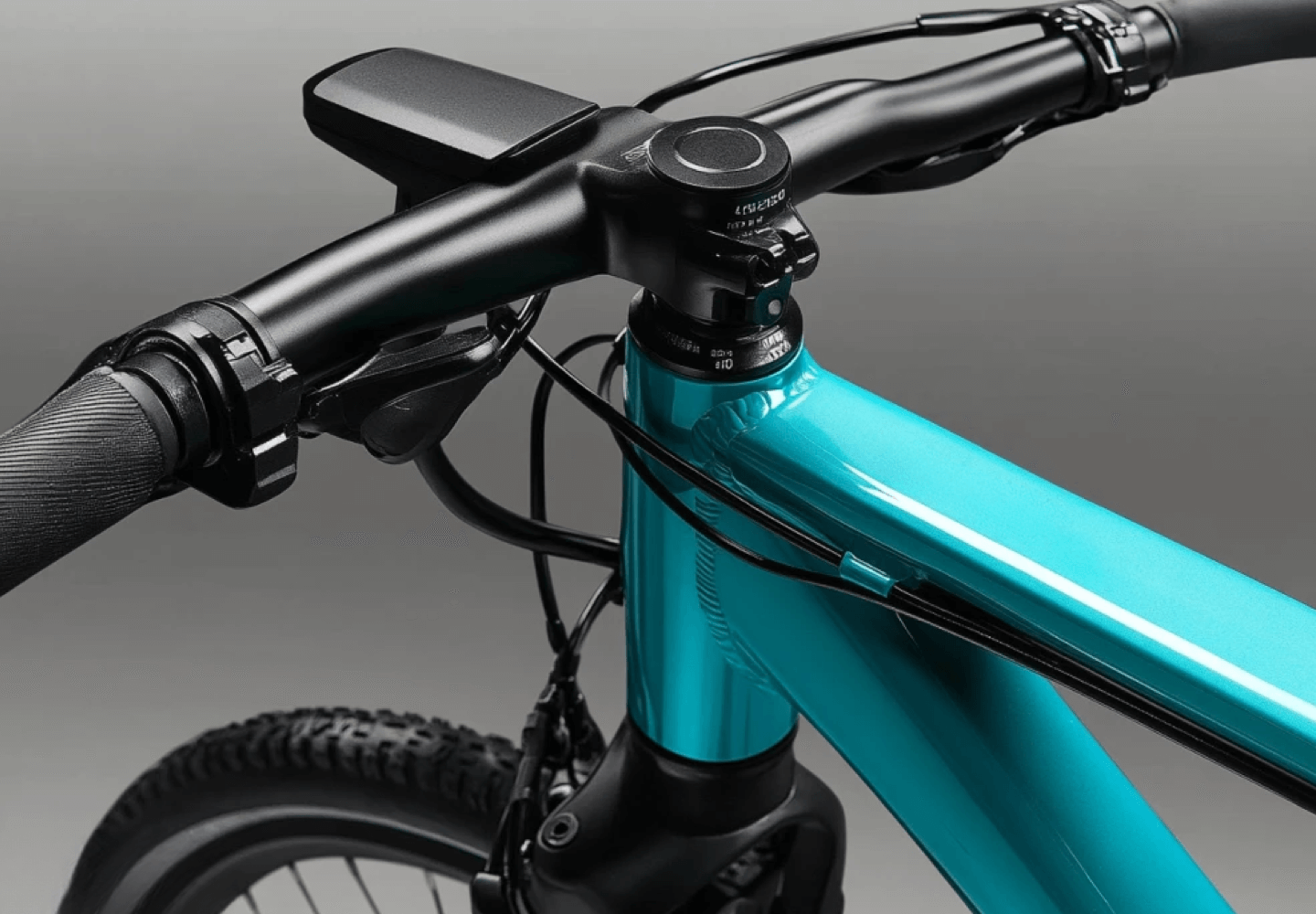
One major benefit of aluminum is its natural corrosion resistance. It forms a protective oxide layer that shields the metal from rust and environmental damage. This makes aluminum frames ideal for riders in wet or humid climates, or those who want low-maintenance bikes. Compared to steel, aluminum doesn't require frequent painting or coating to prevent rust, enhancing longevity and reducing upkeep costs.
Aluminum frames match well with advanced manufacturing methods. Techniques such as hydroforming allow complex tube shapes that improve strength and aerodynamics. Automated TIG and laser welding systems work efficiently with aluminum, ensuring consistent, high-quality welds at scale. Heat treatments like T4 and T6 tempering restore strength after welding, optimizing frame performance. These technologies enable brands to produce innovative designs while maintaining cost control.
For OEMs, aluminum offers a cost-effective solution. Its wide availability and mature supply chains keep material costs competitive. Automated welding and forming processes reduce labor expenses and improve throughput. Aluminum frames also require less post-production corrosion protection, lowering finishing costs. These factors make aluminum the preferred material for high-volume bicycle manufacturing, balancing quality, performance, and price.
6061-T6 is one of the most popular aluminum alloys for bicycle frames. It offers excellent weldability, making it easier to join tubes without compromising strength. The alloy has good corrosion resistance thanks to its natural oxide layer, which helps bikes last longer in various environments. Its tensile strength typically reaches around 290 MPa, while yield strength is about 241 MPa. This balance of strength and workability makes 6061-T6 suitable for road bikes, mountain bikes, e-bikes, and cargo bikes. Additionally, 6061-T6 responds well to heat treatment, which can further improve its mechanical properties after welding.
7005-T6 is another common choice for bicycle frames, known for its higher strength compared to 6061-T6. It offers tensile strength near 350 MPa and yield strength around 328 MPa. This alloy provides excellent fatigue resistance, which means it can endure repeated stress better over time. Unlike 6061, 7005-T6 usually does not require post-weld heat treatment, simplifying manufacturing. However, it is slightly heavier and stiffer, which suits aggressive riding styles and performance frames like high-end mountain bikes and tandems.
| Property | 6061-T6 | 7005-T6 |
|---|---|---|
| Tensile Strength | ~290 MPa | ~350 MPa |
| Yield Strength | ~241 MPa | ~328 MPa |
| Weldability | Excellent | Good |
| Post-Weld Treatment | Recommended (T6) | Not usually required |
| Weight | Lighter | Slightly heavier |
| Stiffness | Moderate | Higher |
| Corrosion Resistance | Good | Good |
| Best Use Cases | Versatile, all-around | Performance, aggressive |
6061-T6 is often favored for its ease of welding and versatility. 7005-T6 suits riders who want higher strength and stiffness without extra heat treatment steps. Manufacturers choose based on frame design goals, production methods, and target rider preferences.
Newer alloys like 6061-DS (double solutionized) are gaining attention in bicycle frame manufacturing. 6061-DS improves on the original 6061 by refining grain structure, which enhances strength and toughness. It typically achieves tensile strength around 310 MPa and yield strength near 275 MPa. This alloy offers a smoother ride feel due to its fine grain and improved fatigue resistance. It remains lightweight and weldable, making it an excellent option for lightweight and high-performance frames. Using 6061-DS combined with advanced extrusion profiles allows manufacturers to optimize frame stiffness and durability while minimizing weight.
Extrusion shapes aluminum tubes by pushing heated metal through a die. This process aligns the grain structure along the tube length, which boosts fatigue resistance and strength. Proper grain flow reduces weak spots and cracks under stress. Manufacturers can create complex profiles with thicker walls near joints and thinner walls elsewhere to save weight. Reinforcement ribs or internal channels also add stiffness without extra weight. Custom extrusion dies let brands tailor tube shapes for specific ride qualities or styling.
Hydroforming uses high-pressure fluid to shape tubes into intricate designs. It allows frames to have aerodynamic profiles or unique cross-sections that improve stiffness and comfort. This method works well for aluminum alloys, letting manufacturers create smooth transitions and variable wall thickness. Hydroformed tubes reduce welds, which lowers potential failure points. This process supports modern bike designs that need both strength and lightweight performance.
Heat treatment restores strength after extrusion and welding. The T4 process involves solution heat treating and natural aging, giving moderate strength. T6 tempering adds artificial aging after quenching, maximizing tensile and yield strength. Most quality aluminum frames undergo T6 treatment to ensure durability and stiffness. Skipping this step leaves frames softer and less fatigue-resistant. Post-weld heat treatment is especially important for 6061 alloy frames to recover mechanical properties lost during welding.
Surface finishing protects aluminum frames from corrosion and enhances appearance. Anodizing thickens the natural oxide layer, increasing hardness and wear resistance. It also allows vibrant colors without paint. Powder coating applies a dry powder cured under heat, creating a tough, uniform finish that resists chips and scratches. Painting offers the widest color range and design flexibility but may require more maintenance. Many brands combine anodizing with powder coating or painting for premium looks and durability.
TIG (Tungsten Inert Gas) welding is the most common and preferred technique for aluminum bicycle frames. It allows precise heat control and produces clean, strong welds essential for lightweight frames. TIG welding uses a non-consumable tungsten electrode and an inert gas shield, usually argon, to prevent contamination. This method works well on thin-walled aluminum tubing, minimizing distortion and preserving material properties.Laser welding is an emerging technique gaining traction for aluminum frames. It offers extremely focused heat input, resulting in minimal heat-affected zones and faster welding speeds. Laser welding can produce narrow, precise weld beads with less post-weld finishing. However, it requires specialized equipment and expertise, making it more common in high-volume or premium frame production.
Welding aluminum poses unique challenges. One major issue is porosity—tiny gas pockets trapped inside the weld bead. Porosity weakens joints and can cause cracks under stress. It often results from moisture, contamination, or improper shielding gas flow. Ensuring clean surfaces and correct gas coverage is critical to avoid porosity.Another challenge is damage to the heat-affected zone (HAZ). The HAZ is the area adjacent to the weld that experiences thermal cycles altering its microstructure. Aluminum alloys can lose strength and become brittle in the HAZ, especially if welding parameters are uncontrolled. Excessive heat input or slow cooling increases this risk, leading to frame weakness or premature failure.
Maintaining precise welding parameters is crucial for aluminum frames. Key factors include:
Current and voltage: Proper settings ensure stable arc and penetration without overheating.
Travel speed: Fast enough to avoid excessive heat but slow enough to create full fusion.
Shielding gas flow: Adequate argon flow prevents oxidation and contamination.
Electrode angle and size: Optimized for smooth bead formation and minimal spatter.
Manufacturers often use automated or robotic TIG welding systems to maintain consistent parameters, reducing human error and improving repeatability. Skilled welders must also monitor weld quality closely during manual operations.
Aluminum frames, especially those made from 6061 alloy, require post-weld heat treatment to regain lost strength. Welding softens the metal in the HAZ, reducing tensile and yield strength. Heat treatment processes like T6 tempering restore mechanical properties by solution treating, quenching, and artificially aging the frame.Post-weld heat treatment improves fatigue resistance and overall durability. It also helps relieve residual stresses from welding, reducing the risk of cracking. Some alloys like 7005-T6 may not need this step, but consulting alloy specifications and manufacturer capabilities is essential.
Aluminum frames are much lighter than standard high-tensile (Hi-Ten) steel frames. Aluminum’s natural oxide layer gives it strong corrosion resistance, so it doesn't rust like steel. Hi-Ten steel requires coatings or paint to prevent rust, adding maintenance over time. Steel frames tend to be heavier and less stiff, which can slow down riders or cause more fatigue on long rides. However, Hi-Ten steel is often cheaper and easier to weld, making it a popular choice for entry-level or utility bikes.Hi-Ten steel’s durability and ability to endure rough handling make it useful for BMX, city bikes, or cargo bikes where cost and toughness matter more than weight. Aluminum’s advantage lies in performance and weight savings, making it better for road, mountain, and e-bikes where speed and agility are priorities.
Chromoly steel (chromium-molybdenum alloy) offers a middle ground between aluminum and Hi-Ten steel. It’s stronger and lighter than Hi-Ten but usually heavier than aluminum. Chromoly frames provide a smoother ride due to their natural vibration damping, which riders often prefer for touring, gravel, and premium road bikes.Chromoly steel is also easier to repair in the field compared to aluminum, which can be important for long-distance or expedition bikes. While aluminum requires precise welding and heat treatment, chromoly steel frames can be TIG welded with fewer post-weld steps. Chromoly’s strength and toughness make it suitable for custom, hand-built frames with fillet brazing or lugged construction, appealing to premium markets.
| Material | Weight | Strength-to-Weight | Corrosion Resistance | Cost | Repairability | Best Use Cases |
|---|---|---|---|---|---|---|
| Aluminum | Lightest | Excellent | High (oxide layer) | Moderate | Limited | Road, MTB, e-bikes, cargo bikes |
| Chromoly Steel | Moderate | Excellent | Moderate (needs coating) | Higher | Good | Premium road, touring, custom |
| Hi-Ten Steel | Heaviest | Good | Low (needs coating) | Lowest | Good | Entry-level, BMX, utility bikes |
Aluminum frames excel in weight savings and corrosion resistance. Chromoly steel offers a balance of ride comfort and durability but at a higher cost and weight. Hi-Ten steel is cost-effective but heavier and less corrosion-resistant.
Road and Mountain Bikes: Aluminum dominates due to its light weight and stiffness, ideal for performance and speed.
E-bikes and Cargo Bikes: Aluminum is preferred for weight management and integration of motors and batteries, but chromoly frames are also used where durability and repairability matter.
Entry-Level and Utility Bikes: Hi-Ten steel remains popular for cost-sensitive markets and rugged use.
Premium and Custom Frames: Chromoly steel is favored for its ride quality and craftsmanship appeal.
Choosing the right material depends on the target rider, budget, and intended bike use. Aluminum suits brands aiming for lightweight, scalable production. Chromoly fits premium, custom programs. Hi-Ten steel serves practical, budget-conscious segments.
Selecting the right aluminum alloy and frame design depends largely on how you plan to ride. For example, 6061-T6 alloy suits versatile riders who want a balance of weight, strength, and ease of repair. It's great for road bikes, e-bikes, and cargo bikes that need durability and comfort. On the other hand, 7005-T6 alloy fits riders seeking higher strength and stiffness, like mountain bikers or those who prefer aggressive riding styles. Its toughness supports frames that handle heavy impacts and rough terrain.Frame geometry also plays a key role. Lightweight frames with thin-walled tubes and aerodynamic shapes work well for road racers. Cargo bikes benefit from reinforced joints and thicker tubing to carry heavy loads safely. E-bikes require frames designed to integrate motors and batteries without adding excessive weight. Matching the alloy and design ensures the bike performs well and lasts long under your specific riding conditions.
E-bikes demand frames that balance strength and weight since they carry extra components like batteries and motors. Aluminum alloys like 6061-T6 are common here for their corrosion resistance and weldability. Cargo bikes need robust frames that endure heavy loads and frequent use. Manufacturers often use thicker extrusion profiles and reinforced weld zones for these bikes.Road bikes prioritize light weight and stiffness. Using advanced alloys such as 6061-DS combined with custom extrusion profiles helps reduce frame weight while maintaining strength. Hydroformed tubes with aerodynamic shapes are popular to improve speed and efficiency.
From an OEM perspective, aluminum alloys like 6061 and 7005 are preferred due to their compatibility with automated welding and heat treatment processes. They allow high-volume production without sacrificing quality. Choosing alloys that require post-weld heat treatment, like 6061, means your manufacturing partner must have proper tempering capabilities.Material availability and cost also influence selection. 6061-T6 is widely sourced and cost-effective, making it ideal for large-scale production. 7005-T6, while stronger, may be less common and slightly more expensive. Emerging alloys like 6061-DS can offer performance benefits but might need smaller production runs due to limited supply.
Custom extrusion profiles let manufacturers optimize frame tubes for weight and strength. For example, double-butted tubes have thicker walls near joints and thinner walls in the middle, saving weight without losing durability. Internal ribs or channels add stiffness without extra material.Brands can specify unique tube shapes to enhance ride feel or brand identity. Aero-shaped tubes reduce wind resistance for racing bikes. Ovalized or tapered tubes improve stiffness in key frame areas. Longer extrusions reduce the number of welds, minimizing weak points and saving weight.Working closely with extrusion specialists early in the design phase ensures the frame meets performance goals while supporting efficient manufacturing.
When choosing a manufacturer for aluminum bicycle frames, ensure they have proven expertise in TIG or laser welding. These welding methods provide the precision and quality needed for lightweight aluminum frames. Ask if they control welding parameters closely to avoid defects like porosity or heat-affected zone (HAZ) damage. Confirm they can perform post-weld heat treatments such as T6 tempering, which restores strength lost during welding. Without proper heat treatment, frame durability and fatigue resistance may suffer. Also, check if they use automated or robotic welding systems to ensure consistency at scale.
Reliable manufacturers provide material certifications like Material Test Reports (MTRs) for all aluminum alloys used. These documents verify the chemical composition and mechanical properties meet industry standards. Request proof of ISO 9001 or similar quality management certifications. Such systems ensure consistent production quality, traceability, and continuous improvement. It reduces risks of defects and production delays. Quality systems also help with compliance for international markets where regulatory standards apply.
Partnering with manufacturers experienced in multiple frame materials—aluminum, chromoly steel, and Hi-Ten steel—offers operational advantages. They can handle diverse product lines, from lightweight aluminum e-bikes to premium chromoly road bikes. This flexibility simplifies communication and scheduling. It also allows sharing best practices across materials, improving overall quality. Multi-material partners often have broader expertise in welding, heat treatment, and finishing processes, benefiting your entire product range. Look for manufacturers investing in advanced equipment and workforce training across materials.
Before full production, request sample frames to evaluate weld quality, dimensional accuracy, and finish. Inspect weld beads for uniformity and absence of defects. Test frame geometry against design specifications. Samples help identify adjustments needed in welding parameters or heat treatment cycles. Use samples to validate surface finishing options like anodizing or powder coating. Early evaluation reduces costly rework during mass production. Collaborate with your manufacturer to develop a detailed production plan, including timelines, quality checkpoints, and packaging requirements.
Aluminum bicycle frames offer an excellent balance of lightweight design and strength, ideal for performance and durability. Proper welding techniques like TIG and laser welding, combined with post-weld heat treatment, ensure frame longevity and safety. Future trends focus on advanced alloys and manufacturing processes, enhancing ride quality and production efficiency. Buyers and OEMs should prioritize material selection and partner with experienced manufacturers to maximize value. Huang Wei Techology Enterprise Co., Ltd. provides high-quality aluminum frames that meet these standards, delivering superior performance and reliability.
Looking for High-Quality Aluminum Bicycle Frame Solutions?If you are developing aluminum bicycle frames for road bikes, e-bikes, or cargo applications, choosing the right material, welding process, and manufacturing capability is critical to ensure strength, durability, and long-term performance. Our team provides professional frame solutions to support OEM and custom production needs. Explore Bicycle Frame & Fork Solutions |
A: An aluminum bicycle frame is a bike frame made from aluminum alloys like 6061 or 7005, known for being lightweight and corrosion-resistant, ideal for performance and recreational cycling.
A: Aluminum frames are lighter, have better corrosion resistance, and offer a higher strength-to-weight ratio compared to steel, making them preferable for speed and reduced rider fatigue.
A: Proper TIG or laser welding combined with post-weld heat treatment like T6 tempering is essential to maintain the strength and durability of aluminum bicycle frames.
A: Yes, aluminum’s availability, compatibility with automated welding, and low finishing costs make aluminum bicycle frames a cost-efficient choice for large-scale manufacturing.
A: Challenges include porosity and heat-affected zone damage, which can weaken the frame if welding parameters and shielding gas flow are not properly controlled.


