
close
Choose Your Site
Global
Social Media
Views: 0 Author: Site Editor Publish Time: 2026-05-27 Origin: Site


Ever struggled to balance heavy loads on a bike? Three-wheel cargo bikes solve this with unmatched stability. These bikes are vital for urban transport, offering strong load capacity and practical use. In this post, you’ll learn about their design, benefits, and real-world applications.
The frame is the backbone of any 3 wheel cargo bike. It must be strong enough to carry heavy loads and stable enough to keep the bike balanced. Designers often use reinforced beams and strong connection points to handle the weight of cargo and rider. The frame shape usually aims to lower the center of gravity, which helps prevent tipping over. Triangular or box-like frames add rigidity, making the bike safer during turns and stops.
The wheelbase—the distance between the front and rear wheels—plays a big role in how stable and easy to control the bike feels. A longer wheelbase improves straight-line stability but can make tight turns harder. Shorter wheelbases give more agility but may feel less steady at speed. Steering mechanisms also affect handling. Some 3 wheel cargo bikes use turntable steering where the entire front assembly turns. This can feel heavy but offers a large cargo area. Others use Ackermann steering, where only the wheels turn, keeping the cargo box aligned and making cornering smoother and more precise.
Compared to two-wheel cargo bikes, three-wheelers offer superior stability, especially when stopped or moving slowly. The wider base means riders don’t have to balance the bike at stops, making loading and unloading easier and safer. This is a big advantage when carrying children or heavy goods. However, 3 wheel bikes don’t lean into turns like two-wheelers, so riders must slow down more on corners to avoid tipping. Two-wheel cargo bikes feel more agile and natural to ride but require more skill to balance, especially when stopped or moving slowly.
Three-wheel cargo bikes excel at carrying heavy loads due to their wider base and stable frame design. Typically, these bikes can handle cargo weights exceeding 100 kilograms, making them ideal for family transport, commercial deliveries, or bulky goods. Proper load distribution is crucial to maintain balance and control. Most designs position the cargo area low and centered between or behind the wheels to keep the center of gravity low. This reduces the risk of tipping, especially during turns or sudden stops. Unevenly distributed loads can strain the frame and affect handling, so riders should ensure cargo is evenly spread and securely fastened.
Three main materials dominate the construction of 3 wheel cargo bike frames: steel, aluminum alloy, and carbon fiber composites.
Steel is traditional, strong, and tough. It can bear heavy loads and absorb shocks well. Steel frames are usually heavier but more affordable and easier to repair. However, steel can rust if not properly treated.
Aluminum alloy offers a lighter alternative. It resists corrosion and provides good strength-to-weight ratio. Aluminum frames improve maneuverability and reduce rider fatigue over long distances. They tend to cost more and require specialized welding techniques.
Carbon fiber composites are high-end materials known for exceptional strength and ultra-lightweight properties. Carbon fiber frames can be engineered for specific stiffness and flexibility. They resist corrosion and fatigue but come with a high price tag and complex manufacturing processes. Currently, they are mostly found in premium or specialized cargo bikes.
| Material | Advantages | Disadvantages |
|---|---|---|
| Steel | High strength, durability, low cost | Heavy, prone to rust without coating |
| Aluminum Alloy | Lightweight, corrosion-resistant | Higher cost, complex welding |
| Carbon Fiber | Very light, strong, customizable design | Expensive, difficult to repair |
Choosing the right frame material depends on the bike’s intended use, budget, and desired performance. For heavy-duty commercial use, steel frames provide reliability and easy maintenance. Aluminum alloy frames suit riders seeking lighter weight and better corrosion resistance. Carbon fiber is ideal for those prioritizing performance and willing to invest in premium quality.
3 wheel cargo bikes come in several frame structure types, each designed for specific needs and cargo handling styles. Understanding these types helps businesses and families choose bikes that best fit their hauling, stability, and comfort requirements.
This frame builds on the classic bicycle triangle design formed by the top tube, down tube, and seat tube. The rear part connects the two wheels, often using a double-beam structure that links the rear axle to the main frame. This design offers:
Strong stability and good load-bearing capacity
Simpler manufacturing process, keeping costs low
Durable and easy to repair
However, cargo space tends to be less flexible. Irregular or large items may not fit well because the cargo area is constrained by the triangular frame shape. This makes it ideal for standard loads but less suited to oversized cargo.
The flatbed frame features a large, flat cargo platform, often rectangular. It uses front and rear cross beams connected by longitudinal beams on the sides, supporting the wheels at each end. Benefits include:
Spacious, regular cargo area for easy loading and securing
Adjustable cargo platform height and size to match different goods
Versatility for various commercial or family transport needs
On the downside, the frame is more complex and requires numerous connecting parts. Without proper design for strength and stiffness, the flatbed frame may deform under heavy loads. This design suits companies or users needing flexible cargo space.
Box frames resemble closed or semi-closed boxes that wrap cargo inside. They are typically welded from metal plates forming a solid enclosure. Advantages include:
Excellent protection from rain, dust, and theft
Enhanced cargo safety during transit
Ideal for sensitive or valuable goods
The main drawback is added weight, which increases energy consumption. Loading and unloading can be less convenient due to the enclosed structure, often requiring features like side panels or rear doors for access. Box frames are perfect for deliveries needing cargo protection.
Three-wheel cargo bikes offer a unique riding experience compared to two-wheel models. Their wide base provides excellent stability, especially at low speeds or when stopped. Riders can stay seated at traffic lights without putting feet down, which is great when carrying heavy loads or children. However, these bikes don’t lean into turns like two-wheelers. Instead, riders must steer through corners carefully and reduce speed to avoid tipping. The steering can feel heavier, especially on models using turntable steering, where the entire front assembly turns. Bikes with Ackermann steering, where only the wheels turn, provide smoother and more precise cornering, making handling easier in tight urban spaces.
Comfort is crucial for long rides, even on cargo bikes. Three-wheelers often face more vibration because each wheel follows a different path, increasing the chance of hitting bumps or potholes. This can make rides feel rougher, especially on uneven surfaces like cobblestones. To combat this, manufacturers design frames with optimized tube shapes and wall thickness to absorb shocks. Some use vibration-damping materials in the cargo box or frame joints. Ergonomic design also plays a key role: proper seat positioning, handlebar height, and easy step-through frames help reduce rider fatigue. Many models include padded seats and adjustable components to fit different rider sizes and improve posture.
Two-wheel cargo bikes feel more agile and natural due to their ability to lean into turns. This makes cornering faster and more fluid. Their narrow profile allows easy weaving through traffic and narrow paths. However, they require more skill to balance, especially when stopped or moving slowly with a heavy load. Three-wheelers sacrifice some agility for stability. They feel more like small utility vehicles, stable when stationary but needing slower speeds on corners. Riders often describe three-wheel cargo bikes as more relaxing for short trips or heavy loads, while two-wheelers suit longer rides requiring speed and maneuverability.
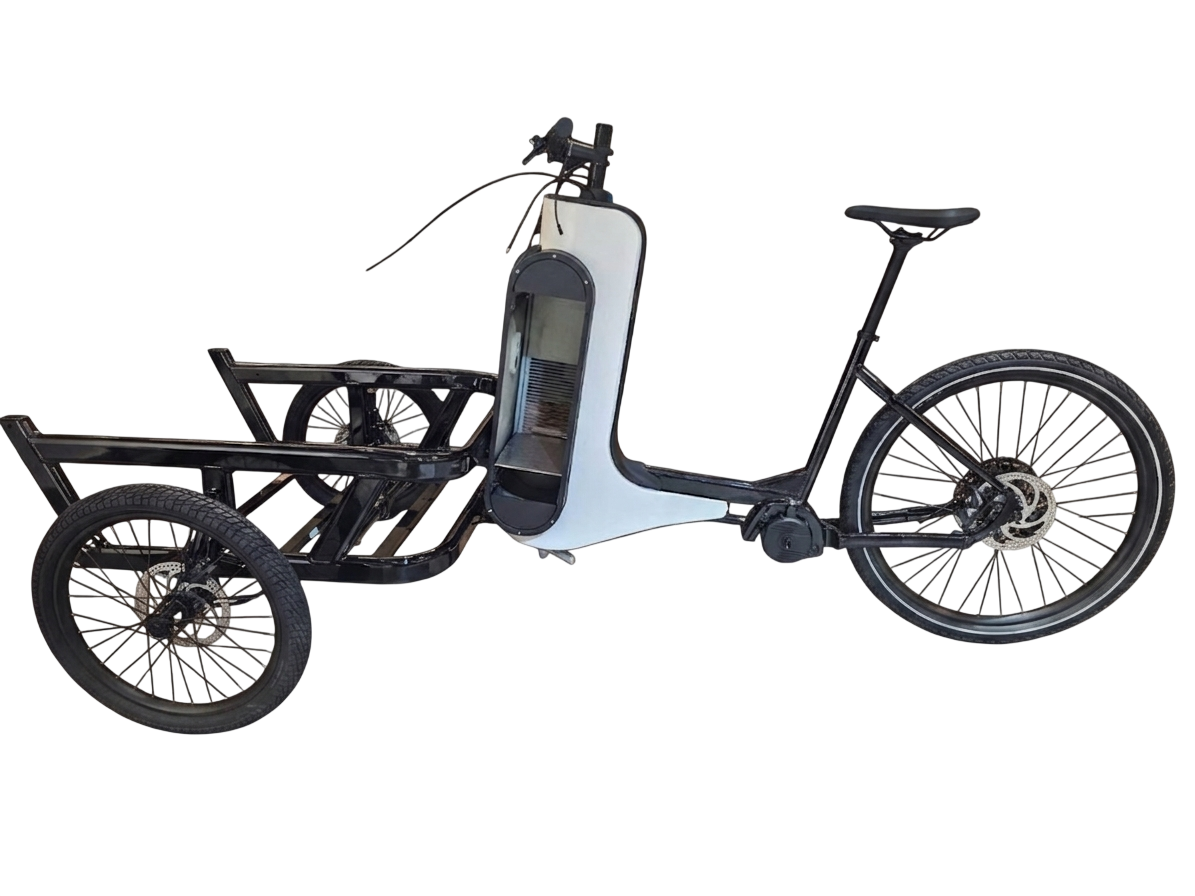
Three-wheel cargo bikes are perfect for families needing stable, spacious transport. Their wide, low cargo boxes let kids climb in and out safely without tipping risks. Parents appreciate the ability to carry multiple children or bulky items like strollers and groceries in one trip. Many models come with padded seats, seat belts, and weather protection options, making rides comfortable and secure. This stability reduces stress during stops or slow traffic, allowing parents to focus on the road.
Businesses benefit greatly from three-wheel cargo bikes in urban delivery and logistics. Their high load capacity and stable platform make loading and unloading efficient. Couriers can carry heavy parcels, food orders, or tools without worrying about balance. The wider cargo area fits irregular or large items better than two-wheel models. Electric assist options extend range and reduce rider fatigue, ideal for last-mile deliveries. Their compact size compared to vans allows easier navigation through narrow streets and reduces emissions.
Three-wheel cargo bikes offer valuable mobility for elderly riders or those with special needs. Models with low step-through frames and ergonomic seating provide easy mounting and comfortable rides. Recumbent or semi-recumbent designs reduce strain on joints and improve posture. Stability eliminates the need to balance while stopped, increasing rider confidence and safety. Some bikes include electric assist and self-balancing features, making cycling accessible to a wider range of users who might avoid two-wheelers.
Campuses, tourist sites, and municipal services find three-wheel cargo bikes practical for daily operations. They transport maintenance equipment, supplies, or luggage efficiently across large areas. Their quiet electric models support green initiatives by reducing noise and pollution. Tour operators use them to shuttle guests with luggage or children comfortably. Municipal workers appreciate the ease of maneuvering in pedestrian zones and parks, carrying tools or waste bins without a vehicle.
Three-wheel cargo bikes have more components than two-wheel models, which means more maintenance. The extra wheel adds wear points like tires, brakes, and bearings. Steering systems can be complex, especially if they use turntable or Ackermann steering. These linkages and joints need regular checks and lubrication to keep smooth control. Misalignment or looseness in steering parts can cause handling issues or uneven tire wear. Brake systems on three wheels also require careful adjustment to ensure balanced stopping power. Riders should expect slightly higher service frequency and costs compared to simpler two-wheel cargo bikes.
Durability depends heavily on frame material and design quality. Steel frames are tough and can handle rough use but may rust over time without proper coating. Aluminum alloys resist corrosion and reduce weight but need precise welding to avoid cracks. Carbon fiber frames offer high strength and lightness but may be vulnerable to impact damage and are costly to repair. Design factors like reinforced joints, proper load distribution, and shock-absorbing frame geometry improve longevity. Frames built to handle dynamic loads and vibrations last longer under daily urban use. Regular inspections for cracks or wear in high-stress areas extend frame life.
Despite higher initial costs, three-wheel cargo bikes offer strong economic value. Leasing programs, like company bike leasing, make them affordable for employees or small businesses through tax benefits. These bikes often hold resale value well, losing only moderate worth in the first years if maintained properly. Compared to small delivery vans or cars, they have lower fuel and parking costs. Maintenance expenses are manageable when scheduled regularly. For commercial users, the ability to carry heavy loads reliably reduces the need for multiple trips, saving time and money. Overall, the investment in a quality three-wheel cargo bike pays off through operational savings and sustainable mobility benefits.
Choosing between a 3 wheel and a 2 wheel cargo bike depends heavily on your daily route, the urban environment, and how much you need to carry. For short trips under 3 kilometers, especially in busy city centers, 3 wheel cargo bikes offer unmatched stability. You can stop without putting your feet down, which is great when carrying kids or heavy loads. They also handle well on wide bike lanes or open spaces.However, for longer distances—say over 15 kilometers—two-wheelers typically perform better. They are lighter, faster, and more energy-efficient, making them ideal for commuters covering more ground. Their narrow frame fits better on tight cycle paths and crowded streets common in older European cities.Load needs also matter. If you regularly carry bulky or heavy cargo exceeding 100 kilograms, 3 wheel cargo bikes provide a larger, more stable platform. Two-wheel cargo bikes usually carry less weight and have smaller cargo boxes, fitting one or two children or lighter goods comfortably.
Three-wheel cargo bikes excel in stability. Their wider base keeps them upright when stopped or moving slowly. This makes loading and unloading safer and easier. Parents transporting children or businesses delivering heavy goods benefit from this stability. However, 3 wheelers don’t lean into turns like two-wheelers. Riders must slow down more on corners to avoid tipping, and steering can feel heavier, especially on models with turntable steering.Two-wheel cargo bikes are more agile and responsive. They lean naturally into curves, allowing faster cornering and easier weaving through traffic. Their narrow profile helps navigate tight spaces and narrow cycle paths. But they demand more skill to balance, especially when stopped or starting with a heavy load. This can be challenging for new riders or those carrying children.
Recent advances aim to combine the best of both worlds. Some 3 wheel cargo bikes now feature tilting mechanisms allowing the bike to lean into turns, improving cornering agility while maintaining stability at stops. Electric assist motors with high torque help manage heavier loads and reduce rider fatigue on longer rides.High-tech steering systems, like Ackermann steering, keep the cargo box aligned during turns, making handling smoother and more precise. Integrated safety systems use cameras and sensors to alert riders to vehicles approaching from behind, enhancing urban riding safety.Battery technology improvements extend range up to 200 kilometers, while lightweight materials reduce overall weight. These innovations make 3 wheel cargo bikes viable for a wider range of users, from families to commercial fleets.
Three-wheel cargo bikes offer excellent stability and high load capacity for families and businesses. Their design ensures safe, balanced rides even with heavy or bulky cargo. The electric 3 wheel cargo bike market is growing, with innovations improving comfort and agility. Testing these bikes can reveal their benefits for sustainable urban mobility. Huang Wei Technology Enterprise Co., Ltd. provides quality products designed to meet diverse transport needs while promoting eco-friendly solutions. Their bikes combine durability, comfort, and advanced features for modern users.
Looking for a Stable and Efficient Cargo Transport Solution?Three-wheel cargo bikes are an ideal choice for families, urban logistics, and commercial transport thanks to their stability, high load capacity, and practical design. If you are considering upgrading your mobility or expanding your delivery solutions, explore our latest electric cargo bike model to see how it fits your needs. |
A: A 3 wheel cargo bike is a bicycle with three wheels designed to carry heavy loads or passengers with enhanced stability compared to two-wheel cargo bikes.
A: It uses a wider base, a low center of gravity, and reinforced frame designs to stay balanced, especially when stopped or carrying heavy cargo.
A: Three-wheel cargo bikes offer superior stability and easier loading but are less agile than two-wheel cargo bikes.
A: Steel, aluminum alloy, and carbon fiber composites are typical, each with benefits and trade-offs in weight, durability, and cost.
A: Most models support over 100 kilograms, with design focused on even load distribution for safety.
A: They require more upkeep due to extra wheels and complex steering systems, needing regular inspection and lubrication.
A: Yes, they provide stable, safe transport for children and bulky items with features like padded seats and weather protection.
A: Turntable steering offers large cargo space but heavier control, while Ackermann steering allows smoother, more precise turns.


