
close
Choose Your Site
Global
Social Media
Views: 0 Author: Site Editor Publish Time: 2026-05-27 Origin: Site


Ever wonder how cities handle growing delivery demands without adding traffic? The 2 wheel cargo bike offers a smart solution. These bikes combine cargo capacity with bicycle agility for urban mobility.
In this post, you’ll learn about the structure, handling, and best use cases of 2 wheel cargo bikes. Discover why they are vital for sustainable city transport today.
A 2 wheel cargo bike features a frame designed to carry heavy loads while maintaining rider control and safety. The main components include:
Frame: Longer and reinforced compared to standard bikes, often with a low center of gravity.
Cargo compartment: Usually positioned at the front (front load) or rear (rear load), designed to hold goods or passengers securely.
Handlebars and steering linkage: Engineered to handle the extra load without compromising maneuverability.
Wheels and tires: Typically robust, wider than normal bicycle tires, built to support heavy weight and provide stability.
Brakes: High-performance hydraulic disc brakes are common for reliable stopping power under load.
The frame architecture is critical. It must resist torsional forces caused by uneven cargo weight and frequent stop-start riding. The steering head tube and down tube receive special reinforcement to prevent flex, which could cause unstable handling.
Materials influence strength, weight, and durability. Common choices include:
| Material | Advantages | Trade-offs |
|---|---|---|
| Aluminum Alloy | Lightweight, corrosion-resistant | Requires precise welding |
| High-Strength Steel | Excellent fatigue resistance | Heavier, may increase weight |
| Chromoly Steel | Good ride comfort, repairable | Less common, higher cost |
Aluminum alloy frames dominate due to their balance of light weight and strength. However, quality varies depending on welding techniques and tube thickness.
Front Load (Long John style): Cargo box placed between handlebars and front wheel. Offers excellent visibility of cargo and better weight distribution. It keeps the load low and centered, improving balance and steering precision.
Rear Load (Longtail style): Cargo area extends behind the rider. Provides more space for bulky items or multiple passengers but can affect rear stability and handling.
Each design suits different needs. Front loaders excel in urban delivery requiring agility. Rear loaders work well for family transport or larger cargo.
Proper weight distribution is essential for stable handling. Front load bikes place cargo low and near the steering axis, reducing wobble and making the bike feel more like a traditional two-wheeler. Rear load bikes must ensure the rear triangle and frame can support the load without causing sway or frame fatigue.The cargo compartment size and position influence the bike's turning radius and rider comfort. Designers integrate the cargo box and frame as one system, ensuring predictable handling even when fully loaded.
Cargo bike frames must meet strict standards to ensure rider safety and product reliability. Key regulations include:
EN 17860: Structural safety for cargo bikes, covering static and dynamic load tests.
EN 15194: Requirements for electric power assist systems if the bike is e-assisted.
EN ISO 4210: General bicycle safety standards.
Manufacturers must demonstrate compliance through rigorous testing, including fatigue and load endurance. Non-compliant frames risk failure under real-world use, resulting in accidents or costly recalls.
Two-wheel cargo bikes rely on the rider’s skill to maintain balance, especially when fully loaded. Unlike three-wheelers, these bikes don’t have passive stability when stationary. Riders must stabilize the bike when stopped or loading cargo. However, the low center of gravity and front-load design help keep the bike steady while riding. Cargo weight sits close to the steering axis, reducing wobble and making the bike feel agile. Experienced riders find the handling natural, similar to standard bicycles, even under heavy loads.
Two-wheel cargo bikes excel in tight, crowded spaces. Their narrow profile, often no wider than handlebars, allows them to weave through narrow alleys, bike lanes, and congested city streets with ease. Dual-cable steering systems increase the front wheel’s turning angle, enabling sharp turns and precise control. This maneuverability makes them ideal for last-mile deliveries or navigating busy urban areas where larger vehicles struggle. Their lightweight frame compared to trikes further enhances responsiveness.
Two-wheelers and three-wheelers serve different needs. Two-wheel cargo bikes offer greater speed and agility, allowing riders to lean into corners and maintain momentum. They are lighter, easier to maintain, and fit better on narrow paths. However, they require balancing skills and can be less stable when stopped or loading. Three-wheel cargo bikes provide excellent stationary stability, allowing riders to stay seated at stops without balancing. They carry heavier loads and more passengers but are wider, slower in tight turns, and can feel more like small utility vehicles than bicycles. The extra wheel and complex steering increase maintenance needs.
Most two-wheel cargo bikes use a dual-cable steering system, allowing a large steering angle for tight urban turns. The steering linkage is reinforced to handle cargo weight without flex or play. This system offers precise control and stability during cornering. Some advanced models incorporate adjustable steering geometry to suit various load conditions. The handlebars respond predictably, giving riders confidence when maneuvering fully loaded bikes.
Electric assist systems significantly improve handling, especially on hilly terrain or longer routes. The motor reduces rider fatigue, allowing smoother acceleration and maintaining balance during starts. E-assist helps control speed on descents and provides torque for carrying heavy loads without compromising stability. However, the added weight of batteries and motors slightly increases overall bike mass, which can affect responsiveness. Quality e-cargo bikes balance motor power and frame design to retain natural handling characteristics.
Two-wheel cargo bikes excel in urban delivery, especially for parcels and food. Their slim profile allows access to pedestrian zones and narrow alleys where vans cannot reach. They reduce delivery times by avoiding traffic jams and parking hassles. Businesses benefit from lower operational costs since bikes avoid fuel expenses and parking fees. Plus, they operate silently and emit no pollution, making them perfect for night deliveries. Whether delivering fresh groceries, bakery items, or e-commerce parcels, these bikes offer an efficient last-mile solution.
Small businesses use two-wheel cargo bikes to expand local reach without investing in vans or drivers. Flower shops, bakeries, and boutiques find them ideal for scheduled deliveries or mobile selling. Bikes help differentiate brands through eco-friendly image and foster stronger customer relationships. They enable fast, flexible deliveries within neighborhoods, turning transport into a customer engagement tool. This approach suits businesses aiming to connect personally with their communities while minimizing costs.
Service professionals like locksmiths, bike repairers, and maintenance teams use cargo bikes as mobile workshops. Equipped with drawers or custom boxes, these bikes carry tools and supplies efficiently. They enable quick, green transportation between service calls in dense urban areas or campuses. This method cuts vehicle expenses and supports transparent, eco-conscious service models. For companies focused on sustainability and cost savings, two-wheel cargo bikes offer a practical alternative to vans.
Universities, hospitals, and municipalities incorporate two-wheel cargo bikes into internal logistics. They transport documents, gardening tools, or sanitation equipment over short distances quietly and without emissions. Bikes require minimal parking space and reduce costs for internal distribution on large campuses. Public institutions enhance their sustainability image while improving operational speed and control. Staff can quickly learn to use these bikes, making them a smart choice for efficient, green logistics.
Families use two-wheel cargo bikes to transport children safely while running errands. Non-profits utilize them for supply distribution, mobile services, or environmental campaigns. The cargo area adapts to child seats, pet containers, or weatherproof boxes, increasing versatility. These bikes support community mobility needs beyond commercial use, offering safe, flexible transport for various passengers and cargo. They promote active lifestyles and reduce car dependency in neighborhoods.
Two-wheel cargo bikes align perfectly with sustainability goals and urban planning efforts. They support emission reduction, noise abatement, and less car reliance. Businesses adopting them enhance corporate social responsibility and appeal to eco-conscious customers. Cities benefit from improved air quality and more efficient use of public spaces. These bikes future-proof operations against tightening regulations. Their visible green presence strengthens brand stories and community goodwill.
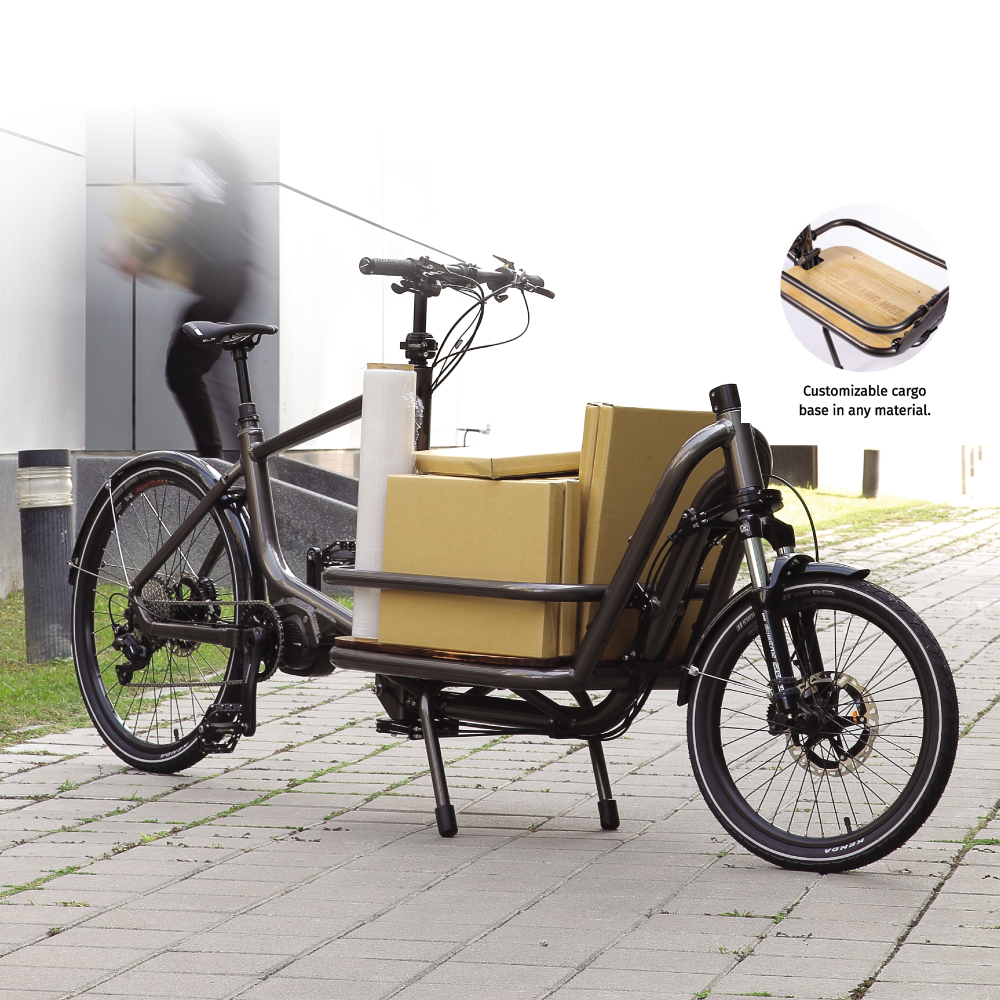
Start by assessing what you plan to carry regularly. Payload capacity varies among models, typically ranging from 60 to 80 kg for two-wheel cargo bikes. Consider if you’ll transport children, parcels, bulky goods, or tools. Front-load designs excel for moderate loads and better balance, while rear-load bikes handle larger or awkwardly shaped cargo. Knowing your average and maximum cargo weight helps select a frame and suspension suited for durability and safety.
Think about your typical riding distances and terrain. For short urban trips on flat roads, a non-electric cargo bike often suffices. If you cover longer distances or face hills, electric assist models reduce rider fatigue and maintain speed. Rough or uneven surfaces demand sturdy tires and reliable suspension. Compact two-wheelers navigate narrow city streets easily, while larger frames suit wider paths or mixed terrain.
Electric cargo bikes include motors that assist pedaling, especially helpful when carrying heavy loads or climbing hills. They offer extended range and reduce physical strain. Non-electric bikes are lighter, require less maintenance, and cost less upfront. Your choice depends on budget, route difficulty, and frequency of use. Test rides under load can reveal which option feels more natural and efficient.
Prices vary widely. Basic two-wheel cargo bikes start around $2,500, while electric models can exceed $5,000. Factor in accessories like rain covers, child seats, or custom cargo boxes. Consider long-term savings from reduced fuel costs and parking fees. Leasing programs may lower initial expenses and include maintenance, making high-end models more accessible for businesses.
Always test ride cargo bikes fully loaded to assess balance, steering responsiveness, and comfort. Handling differs from regular bikes due to cargo weight and frame length. Check seat ergonomics, brake performance, and ease of mounting/dismounting. Evaluate how the bike feels in tight turns, stops, and starts. Comfort and confidence in handling are vital for daily use.
Leasing provides a cost-effective way to access quality cargo bikes without large upfront payments. Many programs offer tax advantages, maintenance packages, and flexible contract terms. Leasing suits businesses wanting to scale fleets or individuals seeking hassle-free ownership. It also allows upgrades to newer models as technology advances.
Keeping a 2 wheel cargo bike in top shape requires regular care. Check tire pressure weekly, especially since wider tires bear heavy loads and affect stability. Inspect brakes often—hydraulic disc brakes need fluid level checks and occasional bleeding to maintain stopping power. Lubricate the chain or belt drive monthly to prevent wear and rust. Electric assist systems demand battery care: charge regularly, avoid deep discharges, and store batteries in moderate temperatures. Clean the bike after rides in rain or dirt to prevent corrosion and grime buildup. Schedule professional tune-ups every 6 months or after 1,000 km, focusing on frame integrity, steering linkage, and brake performance.
Heavy loads and frequent stops cause typical wear points. Tires wear faster under weight and may develop flat spots or punctures. Brake pads experience accelerated wear due to heavier braking demands. Steering linkages and cables can loosen or stretch, affecting control. Cargo boxes and attachment points may crack or loosen from constant vibration. Electric motors and batteries degrade over time, reducing assist power and range. Frame joints, especially near the head tube and cargo mounts, risk fatigue cracks if subjected to excessive torsion or impact.
Material choice plays a big role in durability. Aluminum alloy frames resist corrosion and stay lightweight but can develop fatigue cracks if poorly welded. High-strength steel frames tolerate repeated stress better but weigh more and require anti-rust treatments. Chromoly steel offers a balance of comfort and repairability but is less common and pricier. Proper manufacturing processes and quality control are essential regardless of material. For example, aluminum frames need precise welding and heat treatment to avoid weak spots. Regular inspections for cracks or deformation extend frame life.
Cold, wet, and salty conditions challenge cargo bike durability. Salt from road treatments accelerates corrosion, especially on steel frames and components. Aluminum resists rust but can corrode in saltwater environments without proper coatings. Keep the bike clean during winter, rinse off salt, and dry thoroughly. Use fenders and waterproof covers to protect cargo and electrical parts. Store the bike indoors or in sheltered areas to avoid freezing damage to batteries and cables. Winter tires with better grip improve safety and reduce tire wear on icy roads.
Opt for high-quality parts designed for cargo use. Heavy-duty tires with puncture protection reduce flats. Hydraulic disc brakes provide consistent stopping power under load and in wet conditions. Choose durable cargo boxes made from impact-resistant materials like polypropylene or reinforced composites. For electric assist, select batteries with good cycle life and motors rated for heavy-duty use. Accessories like adjustable kickstands, reinforced racks, and weatherproof covers improve usability and protect the bike. Investing in reliable components reduces maintenance frequency and lowers long-term costs.
Frame technology for 2 wheel cargo bikes continues evolving rapidly. Manufacturers focus on improving strength-to-weight ratios. New aluminum alloys and refined welding techniques enhance durability without adding weight. Carbon fiber composites, though still rare, show promise for ultra-light, high-strength frames. Innovations in tube shaping and reinforcement target key stress points like the head tube and cargo mounts, reducing fatigue and increasing lifespan. Modular frame designs allow customization for different cargo needs and easier repairs. These advancements make bikes stronger, lighter, and more adaptable to diverse urban tasks.
Smart technology integration is reshaping cargo bike safety and usability. GPS tracking and geofencing help fleet managers monitor bikes in real time, improving logistics and theft prevention. Sensors detect cargo weight and balance, alerting riders to overload or improper loading. Advanced lighting systems with automatic brightness adjustment enhance visibility in various conditions. Collision warning systems using cameras or radar are emerging, providing alerts for approaching vehicles or obstacles. Some models include smartphone connectivity for navigation, ride data, and maintenance reminders. These features boost rider confidence and operational efficiency.
Electric assist systems are pivotal in cargo bike innovation. New motor designs offer higher torque at lower speeds, ideal for heavy loads and stop-start city riding. Battery technology advances extend range and reduce charging time. Solid-state batteries and improved lithium-ion chemistries promise lighter, safer, and longer-lasting power sources. Integration of batteries into the frame lowers the center of gravity, improving handling. Regenerative braking systems capture energy, enhancing efficiency. These improvements make electric 2 wheel cargo bikes more practical for longer routes, hillier terrain, and heavier payloads, broadening their appeal.
Cities worldwide are adapting infrastructure to support cargo bikes. Expanded and better-maintained bike lanes provide safer, smoother routes. Dedicated cargo bike parking and loading zones reduce conflicts with pedestrians and motor vehicles. Traffic regulations increasingly recognize cargo bikes as key urban mobility players, offering benefits like access to restricted zones and reduced fees. Smart traffic signals prioritize bikes at intersections, reducing stop times. Urban planners incorporate cargo bike hubs for last-mile logistics, encouraging shared fleets. These developments create a more supportive environment, encouraging wider adoption and efficient operation of 2 wheel cargo bikes.
Sustainability remains a core driver of cargo bike innovation. Lightweight, durable materials reduce resource use and extend product life. Electric assist reduces reliance on fossil fuels, cutting greenhouse gas emissions. Manufacturers increasingly use recyclable and eco-friendly materials for frames and cargo boxes. Lifecycle assessments guide design choices to minimize environmental impact. Cargo bikes support circular economy models by enabling local deliveries and reducing urban congestion. Cities benefit from improved air quality and quieter streets. These trends align cargo bikes with global climate goals, making them a vital part of sustainable urban transport solutions.
2 wheel cargo bikes offer efficient, agile transport for urban deliveries and family use. Their design ensures stability, maneuverability, and safety under heavy loads. These bikes support businesses and communities by reducing costs and emissions while enhancing mobility. Choosing the right model depends on cargo needs, terrain, and electric assist preferences. Huang Wei Technology Enterprise Co., Ltd. provides durable, innovative cargo bikes that meet these demands, promoting sustainable and practical urban transport solutions.
Need a More Agile Urban Cargo Transport Solution?If you are looking for a lightweight, flexible, and efficient solution for urban delivery, parcel transport, or daily mobility, a 2-wheel cargo e-bike is an excellent choice. It combines cargo capacity with superior maneuverability, making it ideal for tight city environments and fast-moving logistics operations. Explore 2-Wheeled Cargo E-Bikes |
A: A 2 wheel cargo bike is a specially designed bicycle with a reinforced frame and cargo compartment, built to carry heavy loads while maintaining balance and maneuverability.
A: It features a low center of gravity and reinforced steering linkage, allowing stable balance and precise control even when fully loaded.
A: Two-wheel cargo bikes offer greater agility, speed, and easier maneuvering in tight urban spaces compared to three-wheelers, though they require balancing skills.
A: Price depends on frame material, electric assist inclusion, cargo capacity, and accessories, ranging from around $2,500 to over $5,000.
A: Electric assist reduces rider fatigue and improves acceleration but adds weight, slightly affecting responsiveness while enhancing overall control on hills.
A: Regular tire pressure checks, brake inspections, lubrication, and battery care for e-assist models ensure durability and safe handling.
A: Check cargo weight distribution, ensure steering linkage is tight, and confirm tires are properly inflated to maintain balance and control.


